andrezaql843.cloudhinter.com

What Are Milia And Exactly How To Remove Them

Milia: Causes And Therapy If these cysts create discomfort, there are treatments that can be reliable in eliminating them. A milium cyst is a little, white bump that commonly appears on the nose and cheeks. Many milia settle on their own as skin normally renews itself. When therapy is required, the goal is to soften trapped keratin and support gradual release-- not to strongly target the bump.

What should I stay clear of if I have milia?

that sit on top of your skin instead of being absorbed. Scrub, Exfoliate, Scrub: Milia takes place when brand-new skin forms over dead skin cells that were not eliminated.

The 13 Best Retinol Items For Beginners That Come Dermatologist-approved

Key milia is the most common form of milia, found on both kids and adults typically around the eyes, cheeks or temple. Milia en plaque is a much less typical form of milia and, unlike key milia, is a collection of numerous milium that occurs as a plaque (a broad raised location of the skin). Secondary milia refers to milia that shows up after an injury to the skin, such as injury, melt or blistering. When managing milia, it is essential to first have a skin analysis with an expert to determine the best technique to deal with the problem. " Milia are small cysts that sit just under the skin's surface," describes cosmetic doctor and head of education and learning at Procurement Appearances, Dr. Emmaline Ashley.

Milia-friendly Skin Care Swaps

Nothing definitely protects against milia from forming if you're prone to them. It's a common question in my dermatology workplace - because milia are common. You can obtain milia at any kind of age, though they end up being an even more common skin trouble as you grow older. I got a wonderful question regarding milia from a visitor and believed everyone would like to see the answer.
  • Child skin is too fragile for lotions, oils, or various other cosmetics.
  • Milia around the eyes are often brought on by heavy eye lotions that tend to obstruct and overwhelm pores.
  • Some people seek treatment of durable milia for aesthetic factors.
  • Knowing this helps link the dots in between your skin's background and the appearance of these stubborn little bumps.
  • Think of it like positioning plastic wrap over your skin-- absolutely nothing can go out.
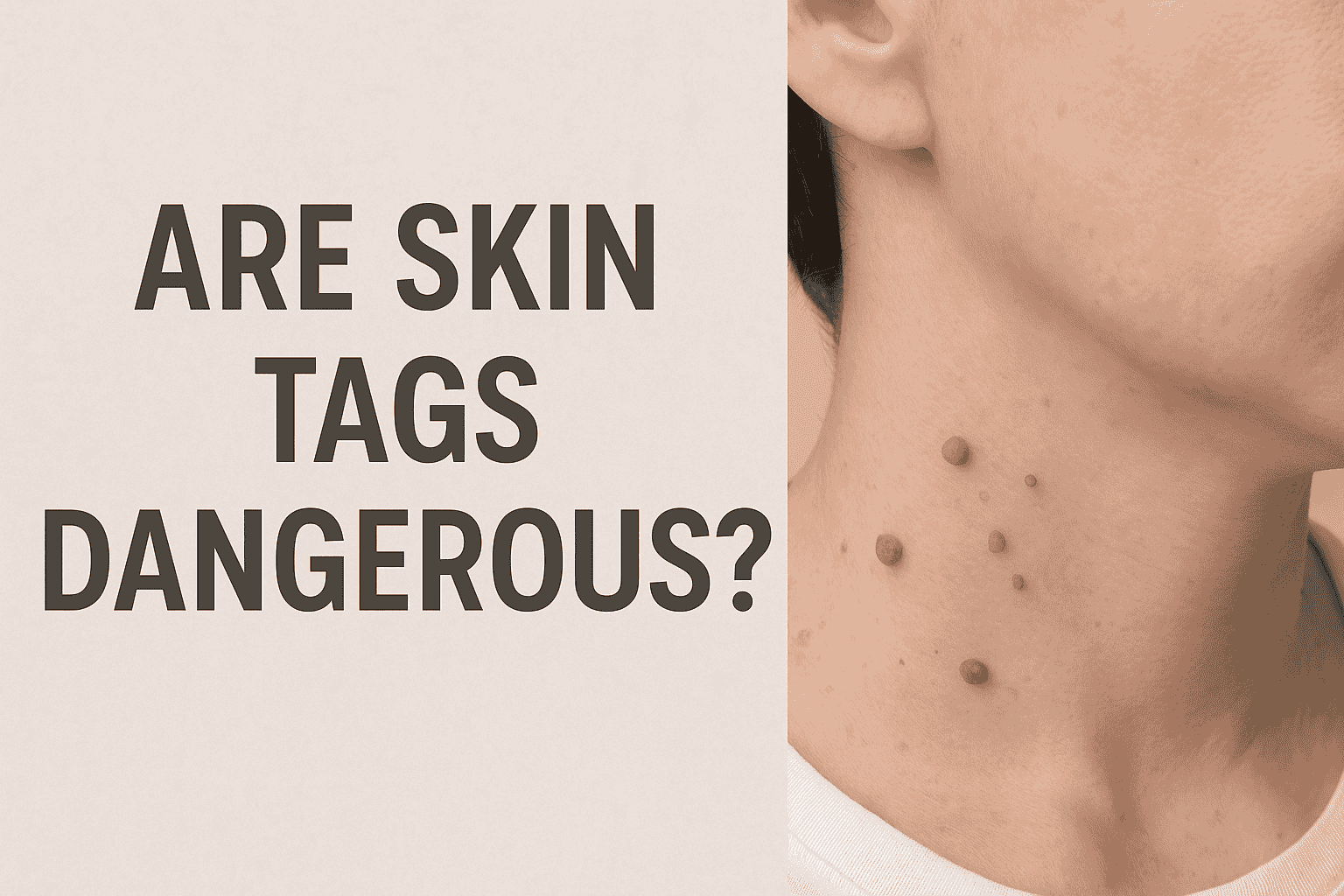
Heavy, occlusive creams can form a seal over the skin, and while that seems protective, it can accidentally trap the very cells you're trying to help lose. This is a classic trigger for additional milia, especially around the delicate eye area. This damage interferes with the skin's all-natural recovery and losing cycle. As the skin rushes to repair itself, it can unintentionally trap plugs of keratin below the surface, forming-- you presumed it-- additional milia. While you shouldn't try popping or squeezing your milia to get rid of the bumps in the house, using topical exfoliating products or prescription retinoids in the house may assist, Dr. Garshick explains. It's really important to make use of an everyday sunscreen to shield your skin and stop damages from harmful ultraviolet rays. Don't hesitate, as well, to get suggestions from a skincare expert. With the appropriate care, you can accomplish the healthy, clear skin of your desires. Utilizing a light cream each day is vital in milia prevention. Select one that's fit to your skin type and packed with hydrating ingredients like hyaluronic acid or glycerin. Use it to your face early morning, evening, and whenever your skin feels completely dry. Avoid harsh chemical-laden creams and makeup created with components understood to trigger acne. This may sound counterintuitive, however aggressive exfoliation is one more concealed cause of milia. While gentle peeling is wonderful for motivating cell turnover, overdoing it with severe scrubs or strong chemical therapies can create micro-trauma on the skin's surface. Usually, old skin cells packed with keratin flake away by themselves. When that happens, keratin can get entraped under a fresh layer of skin, creating a little, firm, white cyst. Because milia rest just beneath the skin's surface and aren't connected to Cryopen treatment by Cryosonic pores, they act differently from acne. They aren't brought on by microorganisms, excess oil, or swelling, which is why squeezing or popping them does not work. Cysts are commonly seen on the face, scalp, and upper torso. According to Seattle Children's Hospital, milia occur in 40 percent of newborn babies. These cysts are generally discovered on the faces of babies or grownups. There's no surefire means to stop milia completely, yet certain practices can help in reducing how typically they create. Avoidance focuses on supporting normal skin turnover, so keratin is much less likely to obtain trapped. Dr. Acne Popper discusses exactly how to treat and prevent common, stubborn milium cysts. Milia are often benign, pain-free, asymptomatic cysts, according to Dr. Lal, so if you observe any type of inflammation or troublesome symptoms, visit your dermatologist. They will aid make sure a precise diagnosis and correct therapy strategy. Nonetheless, if the milia on your face positions a visual problem, feel free to see your dermatologist for among the specialist removal techniques pointed out over. And, certainly, make certain to contact your skin doctor to ensure that the bump( s) is, as a matter of fact, milia and not a much more severe concern.